
| Reader situation | What to open | Outcome measures or details to look for | Planning use |
|---|---|---|---|
| Reading poultry diet studies | Layer, breeder and broiler nutrition papers | Production performance, egg quality, bone quality, liver mineral content, broiler carcass characteristics | Match the outcome in the abstract to your question before reading the methods. |
| Judging how a feed trial was built | The housing and replication paragraph | 160 laying hens per room (two hens per cage); 324 pullet cages in three batteries; 80 floor pens of 6 x 6 x 6 ft | Compare the cage or pen layout with the number of birds a paper claims to have tested. |
| Following dairy or goat and sheep work | Papers that name the species and the treatment in the title | The measure the abstract names as its main result | Skip papers that do not state the animal group, the treatment and the measured result. |
| Choosing a journal to browse | Poultry Studies and its indexing listings | Indexed in DOAJ among other databases | Start with an indexed journal, then follow its reference lists outward. |
Figures in the table come from the University of Kentucky poultry research page and the Poultry Studies journal site.
Poultry research papers mostly report feed and nutrition trials, judged by performance, egg or carcass quality and bone or mineral measures. Choose a paper by study type and outcome measure first, then check the journal.
For the wider field, start from our agriculture research topics. Crop-side readers can compare approaches in horticulture research papers, and economics-minded readers will find market and supply-chain studies in agribusiness research papers.
If you are reading poultry nutrition papers
Poultry production research is dominated by diet questions, because feed is what researchers can change most cleanly between groups of birds. The two groups below separate egg-focused work from meat-bird work, since their outcome measures differ.
Layer and breeder diet studies
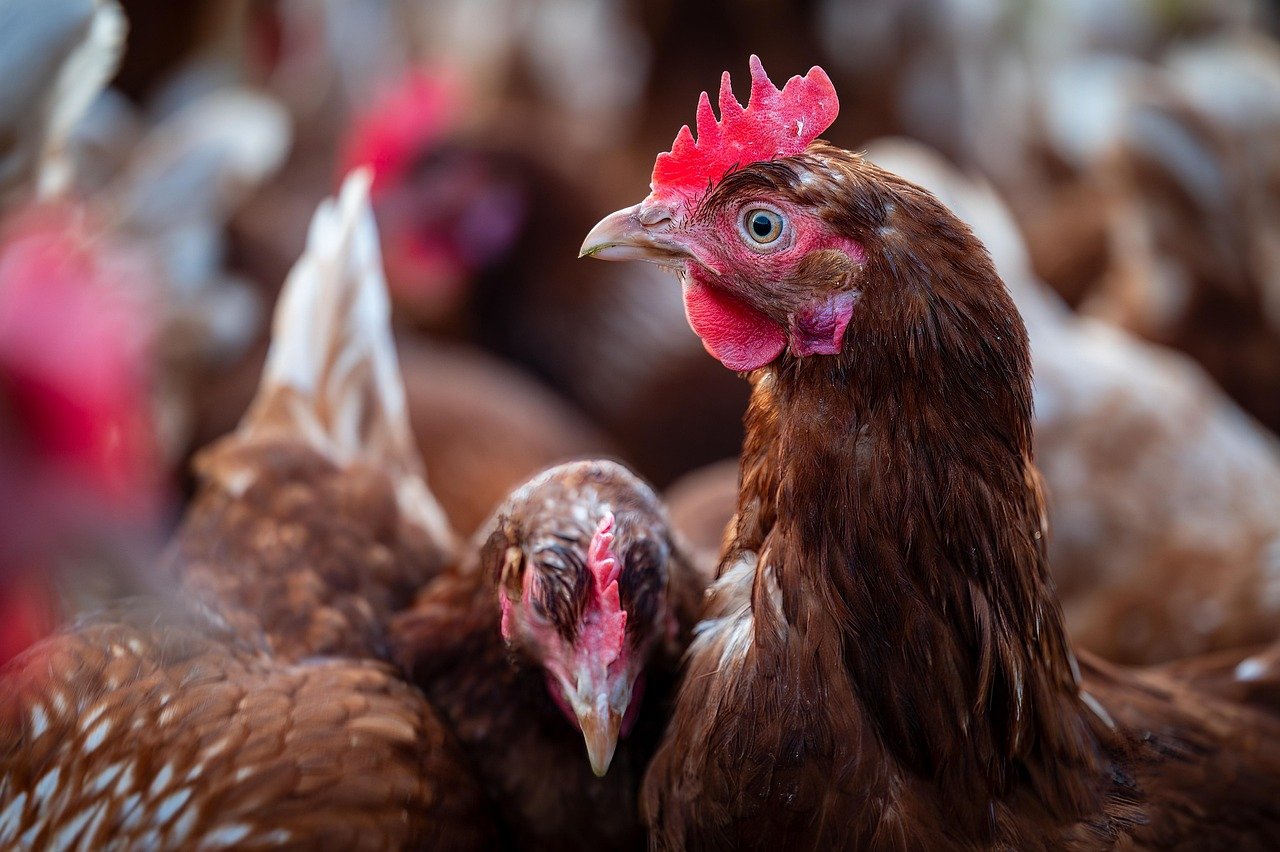
Studies on laying hens usually follow how a diet changes the hen and the egg. The University of Kentucky’s poultry programme describes work on DDGS in diets for laying hens. It also lists a study of a programmed nutrition feeding strategy that measured production performance, egg quality, bone quality and liver mineral content in brown laying hens.
That list is a good template for what a layer paper should report. Production performance tells you whether birds kept laying, egg quality tells you whether the product held up, and bone and liver measures show whether the diet had a cost to the hen’s body.
The same page notes that organic forms of trace minerals are found to be more biologically available than inorganic forms. A paper comparing mineral sources is therefore asking a bioavailability question, and its tissue measures matter as much as its laying figures.
- Suits you if you want to understand egg production under a changed diet: open papers whose abstracts name both performance and egg quality.
- Look elsewhere if you need meat-bird results: layer papers will not give you carcass data.
Broiler performance and nutrient loss studies
Broiler papers tend to pair performance with carcass results. One example listed on the Poultry Studies site tested phytogenic feed additives as an alternative to antibiotics, with broiler performance and carcass characteristics as the outcomes. That pairing, growth plus what ends up on the carcass, is the usual frame for meat-bird feed work.
Not every broiler paper is a growth trial. The Kentucky programme reports that energy source, and not dietary electrolyte balance, influenced ileal endogenous amino acid losses in 21 d-old broilers fed nitrogen-free diets. Treat papers like this as mechanism studies: they explain how birds handle nutrients and are not a direct feeding recommendation.
Feed enzymes are another recurring topic. The Kentucky page explains that enzymes are now available to counter the negative effects of anti-nutritional factors in feed ingredients, so a paper testing a cheaper ingredient will often add an enzyme arm.
If you need to judge a livestock feed trial
A livestock feed trial compares diets in animals housed so that each diet group is separated and measured consistently. Reading the housing and reporting details shows whether the conclusions stand on enough animals.
Housing and replication
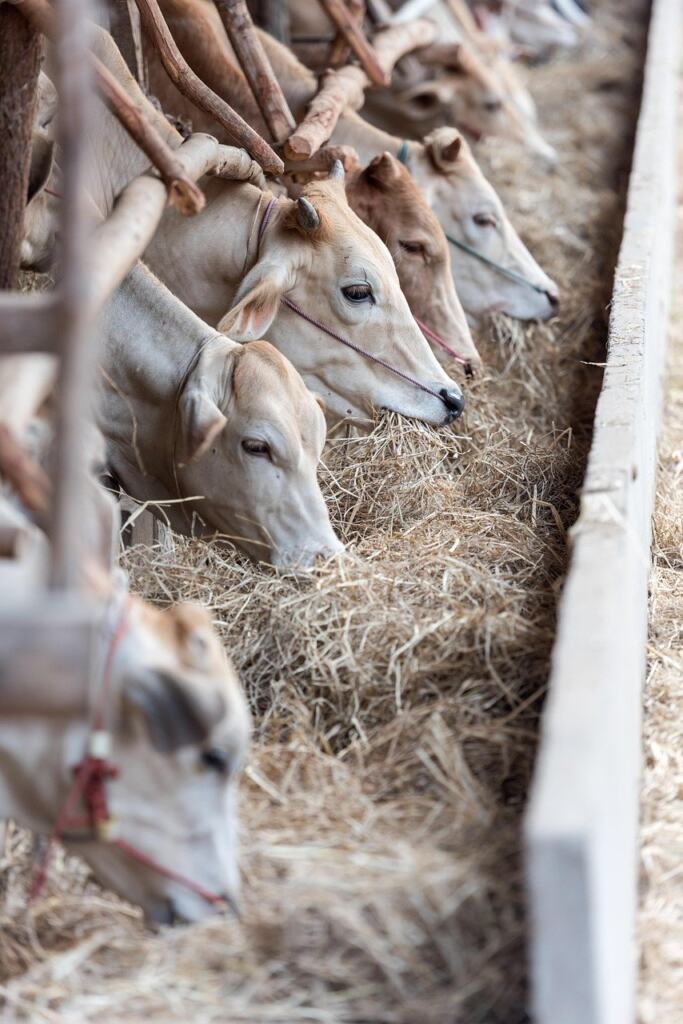
The Kentucky page gives a concrete picture of how poultry trials are physically laid out. Its layer and breeder rooms hold 160 laying hens each, at two hens per cage. Its nutrition building has three batteries with a total of 324 pullet cages, plus a floor pen room with 80 pens measuring 6 x 6 x 6 ft.
Cages and floor pens answer different questions. Cage layouts suit comparisons where each cage can carry one diet, while floor pens suit questions about birds living in groups on litter. When a paper reports bird numbers, check whether they match the kind of housing described, and note which unit the diet was applied to.
What a complete report states
A reliable report names the ingredient, the form it was fed in and any additive. For example, one listed paper examined the feeding value of copra meal in corn-animal protein-based diets, with enzyme supplementation, for egg-type birds. The title alone tells you the base diet, the test ingredient, the additive and the bird type.
- Check the bird group named in the abstract against the group you care about, such as pullets, broilers or egg-type birds.
- Check the outcome list against the title. A paper that promises performance and quality but reports only one is a weaker basis for decisions.
- Check the control diet, because every comparison depends on what the treatment was set against.
If you work with dairy cattle
Dairy nutrition papers compare diets or feeding routines and then look at what the animal produces. Because the species and the product differ from poultry, the outcome measures change, but the reading logic is the same.
Diet and feeding studies
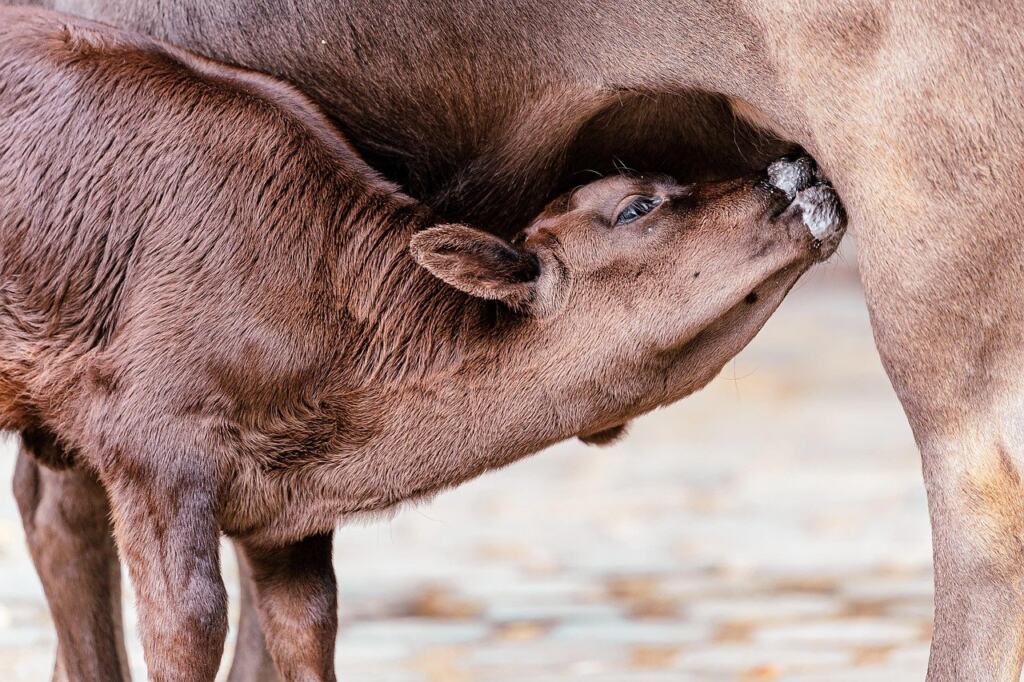
Start by finding what the paper changed in the ration or the feeding routine, and what it held constant. A paper that varies several things at once cannot show which one mattered.
Milk records and data collection
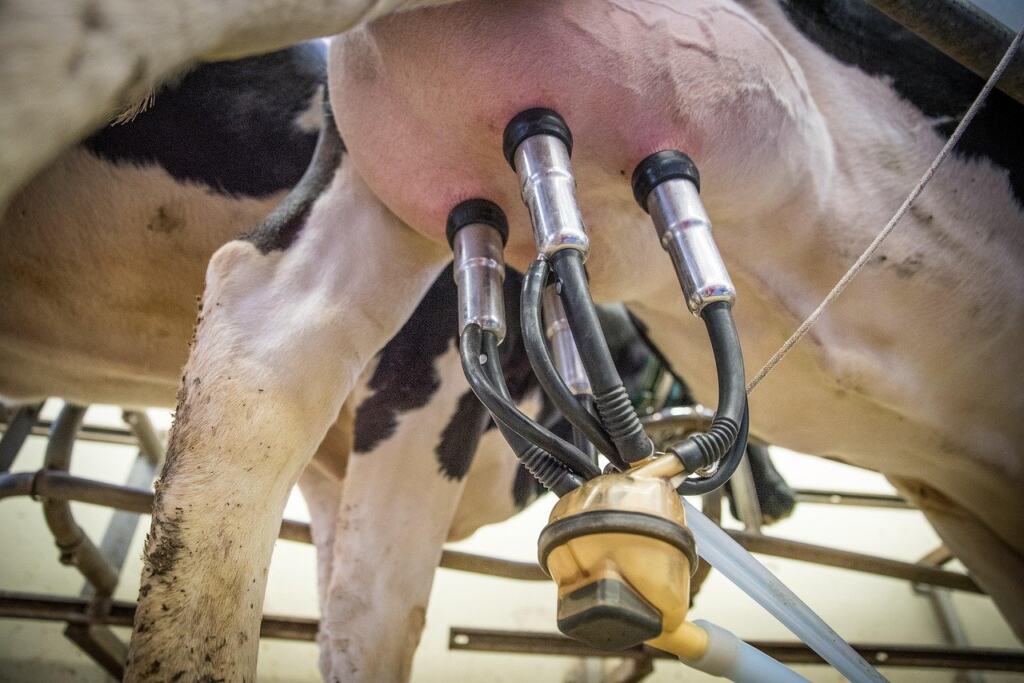
Milk measures depend on how and when milk is recorded, so the methods section deserves as much attention as the results. Look for the stated sampling routine, and treat results from short or sparsely sampled trials with caution.
If you follow goat and sheep production studies
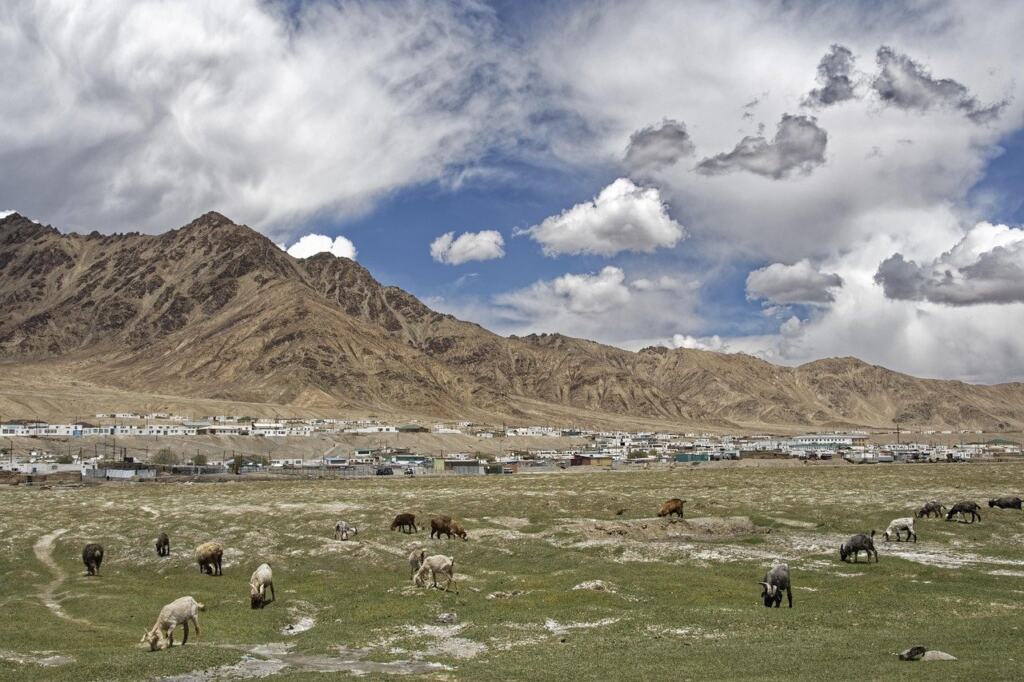
Goat and sheep production studies cover grazing, feeding and flock performance, and many are written for pasture-based systems. Their abstracts are the quickest filter: reject papers that do not say which species was studied, since results rarely transfer across animals.
Pasture and feeding work
For grazing papers, look for a clear description of the pasture and of what the animals were fed. The paper’s comparison group matters here too: a grazing result means little without a stated alternative.
Health and disease papers
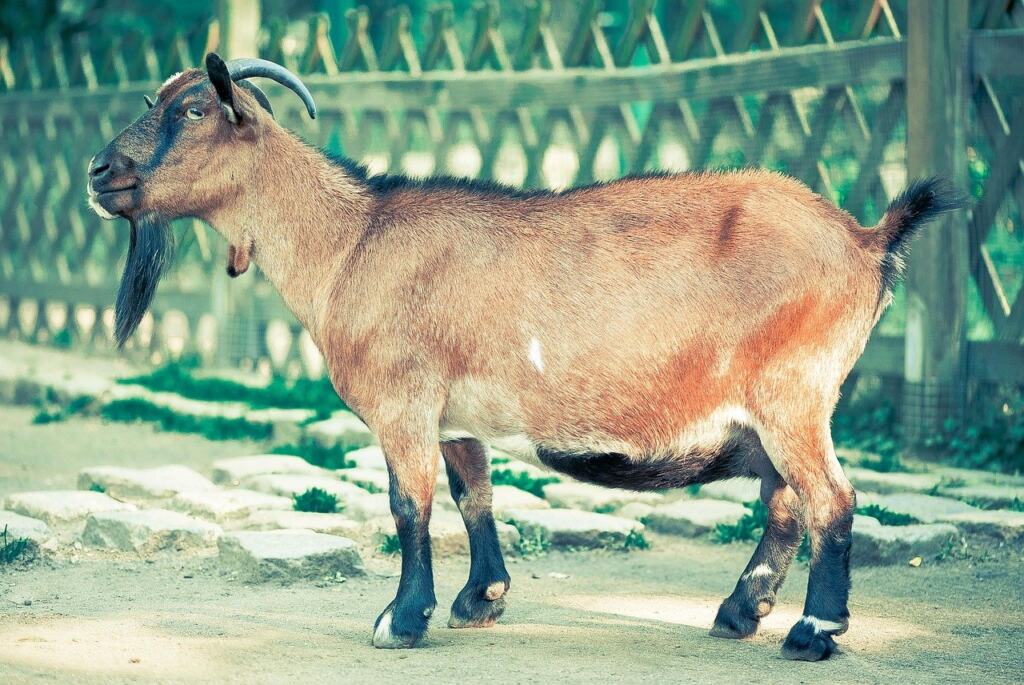
Animal health research articles ask a different question from production papers: does a treatment, vaccine or management change protect the animal? Read these for the disease or condition named, the animal group, and whether untreated animals were kept for comparison.
- Suits you if you manage animals and want a practical treatment result: choose papers that state a named condition and a comparison group.
- Wait if the paper reports only a mechanism or a small laboratory finding, since it will not settle what to do on a farm.
Journals and indexes for animal science
An indexed, open journal gives you a stable place to browse and follow references. One concrete example is Poultry Studies, whose journal site lists ISSN 2791-7258 and e-ISSN 2822 4043.

Poultry Studies
The journal has been published twice yearly, in June and December. It is indexed in TÜBİTAK-ULAKBİM TR INDEX, DOAJ and Scientific Indexing Services, which gives readers several listings to confirm that it exists as a registered scholarly title.
Using DOAJ and similar directories
An indexing statement is a useful first check but not a verdict on a single paper. Use the listing to confirm the journal, then judge each article by its design and reported outcomes, as described above.
Frequently asked questions
| Question | Answer |
|---|---|
| Which bird ages do nutrition studies at the Kentucky facility cover? | The Kentucky poultry page describes nutrition studies on pullets up to 16 weeks of age or broilers up to 4 weeks of age. |
| Do poultry papers cover heritage breeds? | Yes. The same page lists heritage breeder flocks of Black Australorp, Rhode Island Red and Barred Plymouth Rock. |
| How do authors submit to Poultry Studies? | The journal site states that new manuscripts are accepted exclusively through DergiPark. |
| Which citation style does Poultry Studies use? | The journal site states that APA 7th Edition is in use. |