

| Phase | What to settle | Planning use |
|---|---|---|
| Question and scope | A research question tied to a real problem, tested with growers or advisers | Fix this before any drafting, because every later section answers it |
| Field data | Crop yield and other measurements recorded in a form you can report | Decide what the Methods and Results must describe while the trial is still running |
| Results preparation | Clean tables and notes organised before prose begins | Write from finished data, not from memory of the season |
| Drafting | Introduction, Methods, Results and Discussion in the order the journal asks for | Draft Methods and Results first, then the Introduction and Discussion |
| References and format | A reference manager and the citation style the target journal requires | Collect references from the start so formatting is not a last-minute job |
| Final checks | Consistency between question, data, claims and references | Read the paper against the journal’s author guidelines before submitting |
Guidance from SARE on developing an on-farm research project and the MSU Libraries agriculture research guide supports the question-first and source-gathering steps in this table.
To learn how to write an agriculture research paper, start with a clear research question, record your field data so it can be reported, then draft the sections in the order your target journal specifies, collecting references as you go.
This guide follows the paper from the first question to a finished draft, and points onward rather than repeating detail. If you are still choosing a subject, browse our agriculture research topics first.
Phase one: the research question and its scope
A research question is the starting point and the test for everything that follows. SARE’s on-farm research guidance puts it plainly: at the center of every project is a question that needs to be answered.
That has a practical consequence for writers. A paper that begins with a topic (“cover crops”) drifts. A paper that begins with a question can be checked section by section. SARE gives an example of the right kind of framing: Can cover crops provide nutrients for your cash crop and improve the quality of the soil? It names a practice, an outcome and a farm problem, so it points directly to what must be measured.
Actions for this phase (Phase one)
- Write the problem in a sentence, then turn it into a question that a measurement can answer.
- Talk to growers, advisers or colleagues in the field. SARE notes that communicating with other farmers can help you define the problem and hone in on what is most important.
- Cut the question down if it covers several crops, soils or practices at once. A narrow question is easier to answer well and easier to write up.
- Keep the final wording of the question visible while you work. You will reuse it in the Introduction and again in the Discussion.
Scope also decides which literature you need. The MSU Libraries guide organises agriculture research around crops, soils, forages, farm management, agricultural and biosystems engineering, and sustainable agriculture, which is a useful way to check which subfield your question belongs to before you search.
Phase two: field work and the data you will report
Your Methods and Results sections can only describe what you recorded, so the writing plan starts in the field. Decide before measurements begin which outcomes the question needs. For many agronomy questions that includes crop yield, but the right outcome depends on the question you wrote in the first phase.
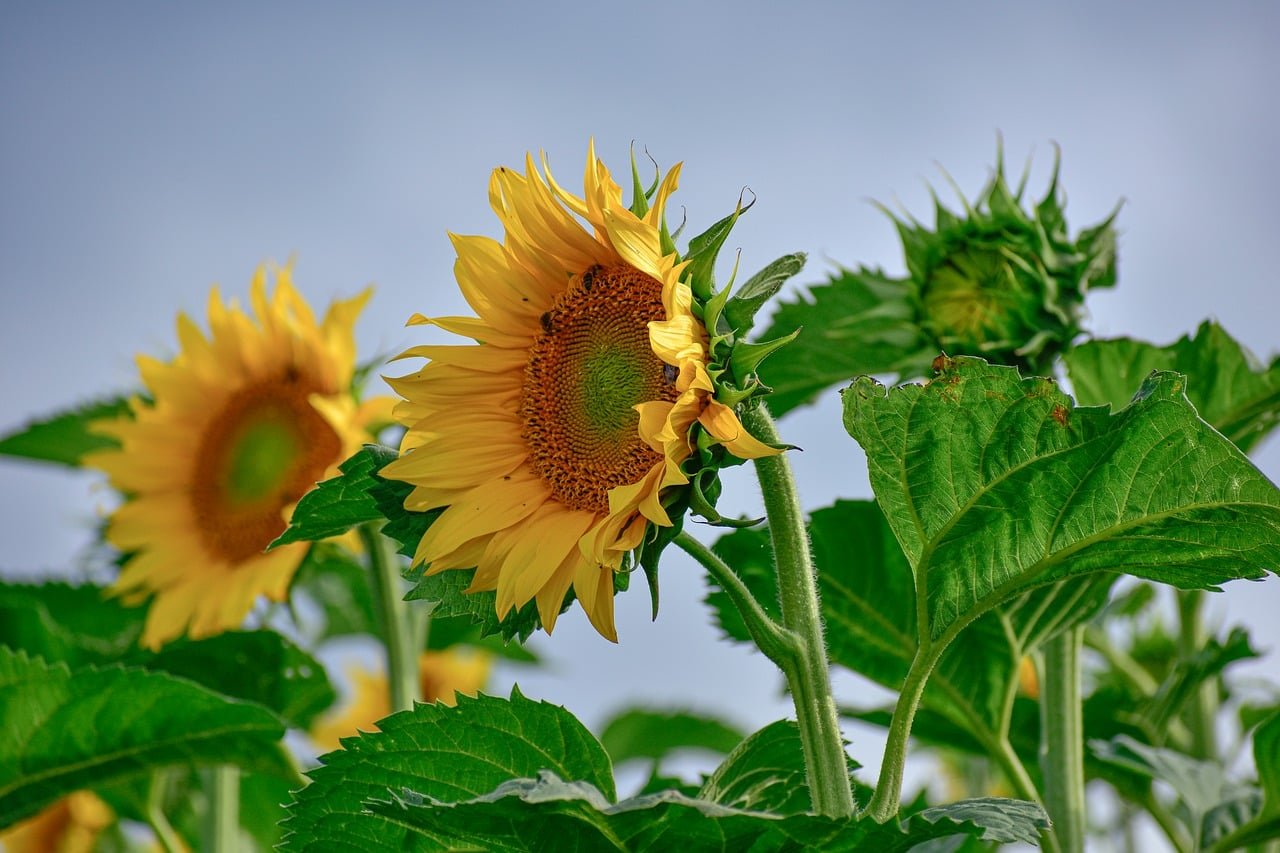
What to capture while the trial runs
- Treatments and layout: note what was applied, where and when, in enough detail that a reader could repeat the work. This becomes your Methods section almost directly.
- Outcome measurements: record crop yield and any other outcome with its unit and the area or sample it refers to. A yield figure without its basis cannot be interpreted.
- Conditions and problems: log weather events, equipment changes, lost plots or deviations from plan. These explain odd results later and belong in honest reporting.
- Photographs and field notes: dated records help you recall decisions when you draft months afterwards.
If your work comes from a farm or ranch rather than a research station, SARE’s on-farm research guidance is a good reminder that the question and the farm problem come first, and the measurements follow from them.
Phase three: preparing results before you draft
Organise your data into finished tables and a short list of findings before writing a single paragraph of Results. This keeps the draft tied to evidence and shows early whether the data actually answers the question.

Actions for this phase (Phase three)
- Build a clean table of each outcome by treatment, with units in the column headings.
- Write one plain sentence per table stating what it shows, without interpreting why.
- Mark any result that did not match your expectation. These are the points reviewers will probe, so they deserve careful Discussion.
- Check that every outcome in the table was named in your Methods, and every Methods measurement has a result.
Separating findings from interpretation at this stage pays off later, because Results report what happened and Discussion explains it.

Phase four: drafting the sections
The usual structure of an agricultural research paper moves from Introduction to Methods, Results and Discussion, often with an abstract in front and a conclusion and reference list behind. Journals vary in headings and order, so the author guidelines of your target journal settle the final layout. Open them before you draft, not after.
A sensible drafting order
- Methods first. It is the easiest section to write from your field notes, and it forces you to check that the work is reproducible.
- Results next. Work through your prepared tables in the order of your research question, so the reader meets the answer in the order the question was asked.
- Introduction after that. By now you know what the paper actually shows, so you can frame the problem, state the research question and justify it from the literature without overpromising.
- Discussion last. Return to the question, say what the results indicate, and explain unexpected results using your field log. Be explicit about limits of the trial.
- Abstract and title at the end. They summarise a finished argument, so they are quicker to write when the argument is fixed.
If your work touches markets, costs or supply chains as well as agronomy, look at how related papers are framed in agribusiness research papers, which follow somewhat different conventions from field-trial reports.
Phase five: references, reference managers and citation format
A reference manager is software that stores your sources in one library and formats citations and the reference list for you. Choose one early and add each source as you read it, because rebuilding a reference list from memory at the end invites errors.

Choosing a reference manager
Pick a manager by what your target journal needs, not by popularity. Check three things: whether it can output the citation style the journal requires, whether it works with your word processor, and whether it can import records from the databases you actually search. Your institution’s library is the best place to ask which tools it supports and teaches. The MSU Libraries guide shows how a university library points agriculture researchers to its catalog, which covers books, ebooks, streaming media and journal holdings, and that catalog is a natural source of records to import.
APA and other citation styles
APA is a common style, but it is only correct for your paper if the journal or your institution asks for it. Many agricultural journals specify their own reference format in their author guidelines, so follow those instructions exactly rather than defaulting to a style you know. Set the style in your reference manager before you start citing, so in-text citations and the list stay consistent as you write.
Phase six: final checks before submission
A last read should test whether the paper hangs together, not just whether the grammar is clean. Read it against your original research question and ask whether each section still serves it.
- Question to conclusion: the research question in the Introduction should be the one answered in the Discussion, in matching words.
- Methods to Results: every outcome reported should have a described measurement, with units that match the tables.
- Claims to data: remove any statement the data does not support. Reviewers notice overreach quickly.
- Citations to list: every in-text citation must appear in the reference list and the reverse.
- Format to guidelines: check headings, length and reference style against the journal’s author instructions.
Once the draft is clean, the next stage is choosing a journal and submitting. Our guide on how to publish agriculture research paper work covers that process.
Troubleshooting common problems
- The paper feels unfocused. Return to the research question. If a paragraph does not help answer it, cut it or move it to a different paper.
- The Introduction will not come together. Leave it until Methods and Results are drafted, then write it to set up the answer you now have.
- Results look thin. Check whether the question was too broad for the data collected. Narrowing the claim is usually better than stretching the evidence.
- The reference list is messy. Rebuild it from your reference manager’s library with the journal’s citation style selected, and remove sources you did not actually cite.
- You cannot reach a source. Ask your library about document delivery before dropping an important paper.
Frequently asked questions
How do I start writing an agriculture research paper?
Begin by turning a real farm or field problem into a specific research question, ideally after discussing it with growers or colleagues. Then plan the measurements that will answer it, before drafting anything.
What sections does an agricultural research paper include?
Most include an abstract, Introduction, Methods, Results, Discussion and references, though your target journal’s author guidelines decide the exact headings and order.
Which reference managers work well for agriculture researchers?
Any manager works well if it outputs your journal’s required citation style, connects to your word processor and imports from your databases. Ask your institution’s library which tools it supports and teaches.
Where can I find literature and sources for my paper?
Start with your university library. The MSU Libraries agriculture guide, for example, points to the library catalog for books, ebooks and journal holdings, and offers interlibrary loan free to MSU students, scholars and staff for items it does not hold.